Healthy Boundaries With Social Media and the News
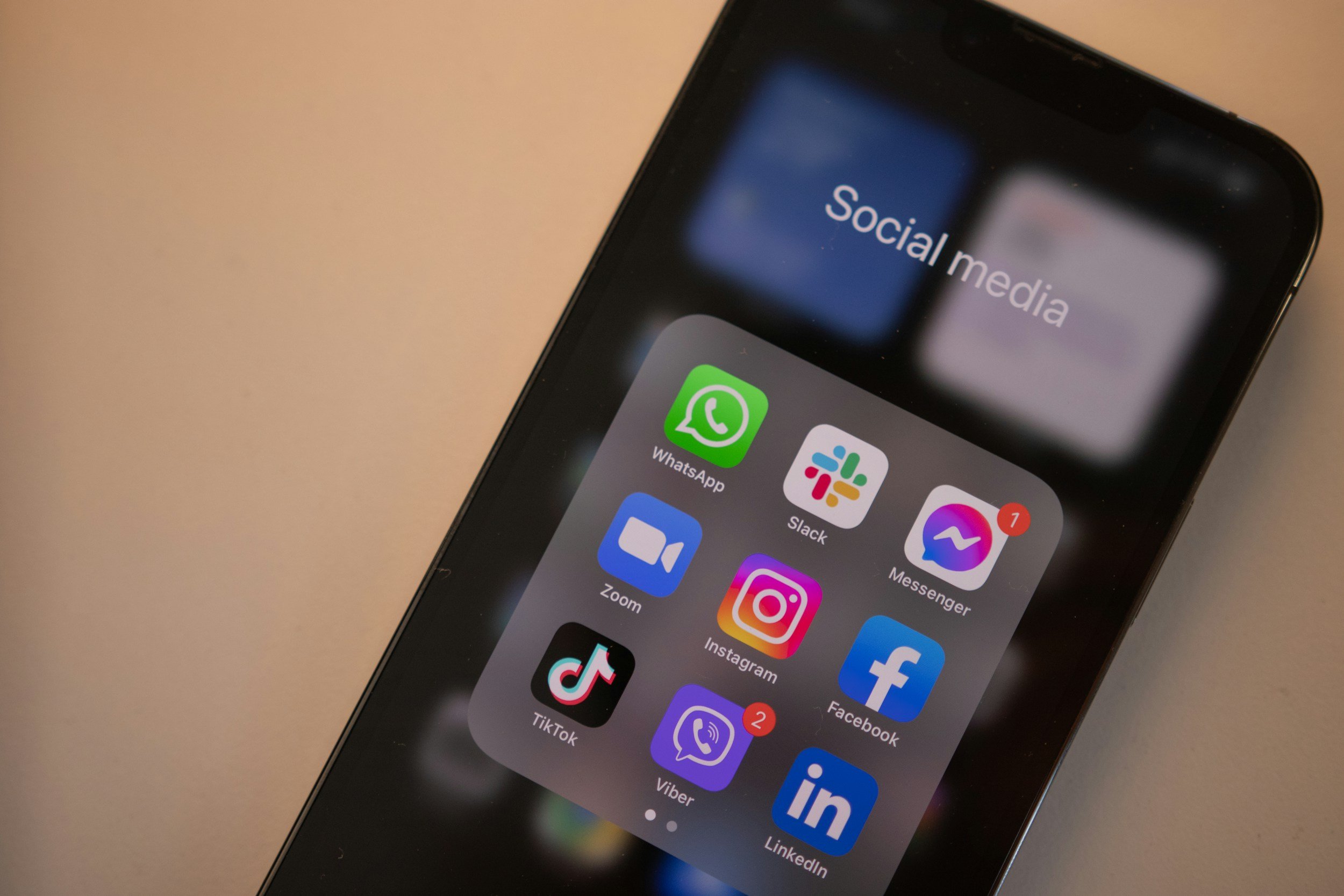
We live in a world where information is constant, immediate, and often overwhelming. At any given moment, we can scroll past curated highlight reels, breaking news alerts, global tragedies, and personal opinions, all within minutes. While access to information can be empowering, too much exposure can quietly erode mental health.
This post is about how to stay informed and connected without becoming flooded, numb, anxious, or depleted.
When “Staying Informed” Starts to Hurt
Many people notice emotional shifts after extended time on social media or consuming the news:
Increased comparison and self‑criticism
Feelings of hopelessness or helplessness about the world
Emotional exhaustion or numbness
Heightened anxiety or low‑grade depression
Difficulty focusing or sleeping
None of this means you’re weak or avoiding reality. It means your nervous system is responding exactly as it was designed to: it was never meant to process an endless stream of distressing information.
Our brains evolved to respond to immediate, local threats, not global trauma delivered 24/7.
The Hidden Cost of Constant Exposure
Comparison overload
Social media tends to reward extremes: success, beauty, productivity, outrage. Even when we know posts are curated, our nervous system still absorbs the message that others are doing better, coping better, or living more meaningful lives.
Secondary trauma
Repeated exposure to violence, disaster, injustice, and suffering — even through a screen — can lead to secondary or vicarious trauma. This can show up as emotional numbing, irritability, or a sense that the world is unsafe.
The illusion of responsibility
Endless information can create the feeling that we must care about everything, all the time. But caring without boundaries leads to burnout — not meaningful action.
You Don’t Have to Choose Between Awareness and Well‑Being
A common fear I hear is:
“If I limit what I consume, I’m being ignorant or selfish.”
In reality, regulated consumption allows for clearer thinking, deeper empathy, and more sustainable engagement.
Staying informed does not require:
Doom‑scrolling
Watching graphic footage
Consuming breaking news all day
Absorbing everyone else’s emotional reactions
How to Stay Informed Without Becoming Flooded
1. Set intentional windows
Choose when you consume news or social media rather than letting it seep into every moment.
Examples:
One morning check‑in
One evening update
A specific day of the week for deeper reading
Outside those windows, allow your nervous system to rest.
2. Curate ruthlessly
You are allowed to:
Mute accounts that trigger comparison or distress
Unfollow news sources that rely on sensationalism
Take breaks from platforms entirely
This isn’t avoidance — it’s discernment.
3. Choose depth over volume
Instead of consuming hundreds of headlines:
Pick one or two trusted sources
Read long‑form journalism instead of constant updates
Focus on understanding, not constant monitoring
Being well‑informed comes from context, not quantity.
4. Limit graphic content
You do not need to see images or videos of suffering to care deeply. If content is activating or haunting, it’s okay to look away.
Compassion does not require retraumatization.
5. Notice how your body responds
Your body often tells you when enough is enough:
Tight chest
Shallow breathing
Racing thoughts
Emotional shutdown
These are cues to pause not push through.
6. Balance intake with grounding
If you consume heavy content, intentionally ground afterward:
Go for a walk
Connect with your senses
Pet your fur baby
Do something creative or embodied
Information should be metabolized, not just absorbed.
A Healthier Question to Ask
Instead of:
“Am I consuming enough?”
Try:
“Is what I’m consuming helping me live the kind of life I value?”
Awareness without agency leads to despair. Awareness with boundaries creates space for action, connection, and resilience.
A Final Thought
Support can be especially helpful when the weight of constant information starts to feel heavy or hard to carry alone. Working with a therapist can offer space to slow down, reflect, and build boundaries that actually fit your life — not rigid rules, but supportive choices that protect your mental health.
You are allowed to care deeply and protect your mental health.
You are allowed to look away, take breaks, and choose what enters your mind.
Healthy boundaries around media aren’t about disengaging from the world — they’re about staying present in your own life while navigating it.
If you’re noticing that social media or news consumption is impacting your mood, relationships, or sense of self, working with a therapist can help you explore what boundaries would feel supportive rather than restrictive. Many people look for counseling or therapy near me when they reach this point — not because something is wrong with them, but because they want support navigating a world that asks our nervous systems to do far too much.
Your nervous system deserves care, too.
Looking for Support
If you’re exploring counseling or therapy near you and want support with anxiety, depression, burnout, trauma exposure, or setting healthier boundaries with social media and the news, working with a licensed therapist can help. Many people seek therapy not because something is "wrong," but because they want support navigating stress, overwhelm, and emotional fatigue in a sustainable way.
Whether you’re searching for a Fort Collins therapist or a Colorado therapist who takes a nervous-system-informed, trauma-aware approach, therapy can offer space to slow down, reflect, and build boundaries that protect your mental health while staying engaged with the world.